
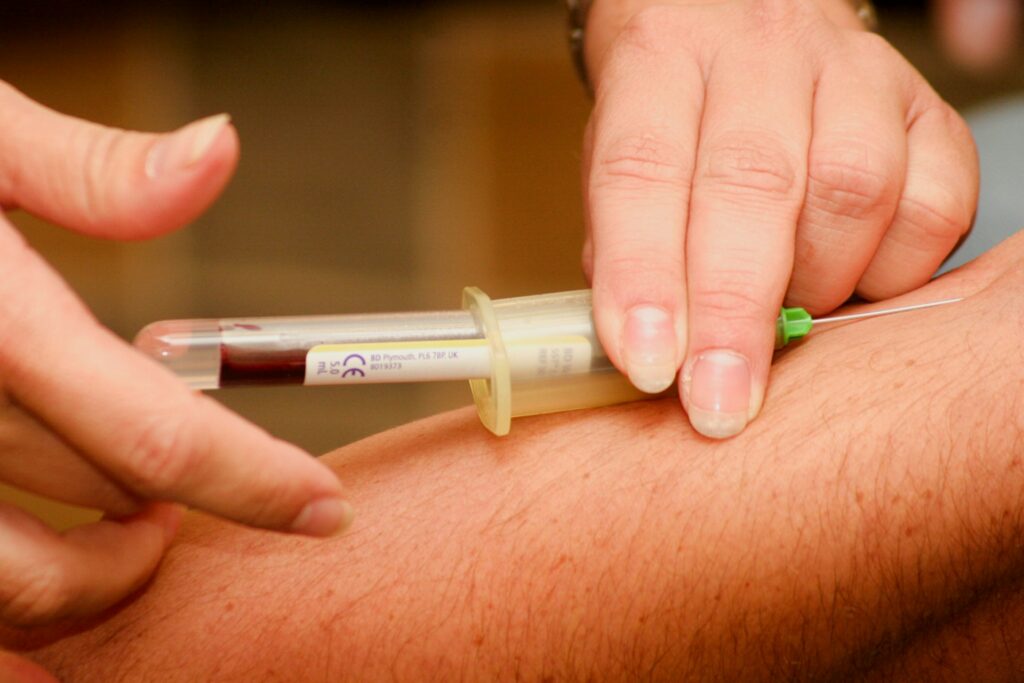
Testosterone testing is one of the most important first steps for men who are concerned about low testosterone or considering testosterone replacement therapy (TRT). However, getting an accurate testosterone result involves more than simply ordering a blood test. The time of day you test testosterone can matter.
Testosterone levels naturally fluctuate throughout the day. For many men, concentrations tend to be highest in the morning and decline as the day progresses. Because of this daily rhythm, healthcare providers commonly recommend morning testosterone testing, particularly when evaluating possible testosterone deficiency.
At Morph Wellness MD, men can access the Basic Male Testosterone Panel via Labcorp to get objective information about their hormone levels. Testing provides important data that can then be considered alongside symptoms, medical history, and other health factors when determining whether additional evaluation or treatment may be appropriate.
Why Does the Time of Day Matter for Testosterone Testing?
Testosterone isn’t released into the bloodstream at exactly the same rate throughout the day.
Instead, testosterone follows a natural daily rhythm influenced by the body’s internal biological clock. Levels generally increase during sleep, peak during the morning, and gradually decline throughout the day.
This means a testosterone measurement taken later in the afternoon could potentially be lower than one taken earlier in the day.
Timing becomes particularly important when a man’s testosterone levels are near the lower end of the laboratory reference range. Testing at inconsistent times could make it more difficult to compare results accurately.
For this reason, healthcare providers often prefer standardized testing conditions when evaluating possible low testosterone.
What Is the Best Time to Test Testosterone?
For many men, morning is generally the preferred time for testosterone blood testing.
Testing is commonly performed during the morning hours because testosterone concentrations tend to be highest following sleep.
The exact testing recommendations can vary depending on factors such as:
- Age
- Sleep schedule
- Work schedule
- Symptoms
- Medical history
- Previous testosterone results
- Provider recommendations
Someone who works overnight shifts, for example, may have a different sleep-wake cycle than someone who sleeps from 10 p.m. to 6 a.m.
Rather than choosing a testing time based solely on the clock, follow the instructions provided by your healthcare provider and laboratory.
Why Are Testosterone Levels Higher in the Morning?
Testosterone production is connected to the body’s circadian rhythm.
The circadian rhythm is the approximately 24-hour biological cycle that helps regulate sleep, hormone production, body temperature, metabolism, and many other physiological processes.
Testosterone concentrations tend to rise during sleep and are generally higher around the time a person wakes up. Levels then tend to decrease throughout the waking portion of the day.
This natural variation is one reason why the timing of a testosterone test should be considered when interpreting the results.
It also helps explain why two blood tests performed at very different times of day might produce different numbers even if nothing significant has changed about a man’s overall hormone health.
Does Age Affect Daily Testosterone Fluctuations?
Age can influence the degree to which testosterone fluctuates during the day.
The morning-to-evening variation tends to be more pronounced in younger men. As men age, the daily variation may become less dramatic.
That doesn’t mean testing time becomes irrelevant for older adults. Standardizing testing conditions can still make results easier for healthcare providers to interpret and compare.
Age is also only one part of the equation.
Symptoms, sleep, health conditions, medications, body composition, and other hormonal factors can all influence testosterone levels.
What Should Men Test Besides Total Testosterone?
When people talk about getting their testosterone tested, they often think of one measurement: total testosterone.
Total testosterone is certainly important, but testosterone health can involve more than a single number.
Depending on the panel and clinical situation, additional hormone markers can provide valuable context.
Total Testosterone
Total testosterone measures testosterone circulating in the bloodstream, including testosterone that is bound to proteins.
It is commonly one of the primary measurements used when evaluating possible testosterone deficiency.
However, total testosterone doesn’t necessarily tell the complete story about how much testosterone is available for your tissues to use.
Free Testosterone
Free testosterone refers to testosterone that isn’t bound to proteins in the bloodstream.
Evaluating free testosterone can provide additional context, particularly when total testosterone results don’t seem to align with a person’s symptoms or overall hormone profile.
Sex Hormone-Binding Globulin
Sex Hormone-Binding Globulin, or SHBG, is a protein that binds to testosterone and other sex hormones.
Changes in SHBG can affect how much testosterone is available to the body’s tissues.
This is another reason comprehensive hormone testing can provide more useful information than simply looking at one isolated testosterone value.
How Should You Prepare for a Testosterone Blood Test?
Following consistent testing practices can help produce results that are easier to interpret.
Before completing your testosterone panel, follow any specific preparation instructions given by Morph Wellness MD and Labcorp.
General factors worth considering include:
- Testing time: Follow the recommended testing window.
- Sleep: Try to maintain your normal sleep schedule before testing.
- Medications: Tell your provider about prescription medications, supplements, and hormone-related products you use.
- Illness: Acute illness may affect hormone measurements.
- Exercise: Discuss whether strenuous exercise should be limited before testing.
- Previous results: Let your provider know if you’ve had testosterone testing performed elsewhere.
Do not stop prescribed medications or make significant changes to your routine unless instructed to do so by your healthcare provider.
Can Poor Sleep Affect Testosterone Test Results?
Sleep and testosterone are closely connected.
Because testosterone production follows the body’s sleep-wake cycle, significant sleep disruption may influence hormone measurements.
This can be particularly relevant for men who:
- Work overnight shifts
- Regularly sleep fewer hours than intended
- Have highly inconsistent sleep schedules
- Recently traveled across multiple time zones
- Experienced unusually poor sleep before testing
If your sleep schedule is significantly different from the traditional nighttime sleep schedule, tell your healthcare provider before testing.
The goal is to evaluate your results within the context of your individual routine rather than treating every patient exactly the same.
What Happens If My Testosterone Result Is Low?
One low testosterone result doesn’t automatically mean that testosterone replacement therapy is appropriate.
Your provider may consider several factors before making a treatment recommendation, including your symptoms, laboratory results, medical history, medications, and overall health.
Additional or repeat testing may sometimes be appropriate.
For example, a man experiencing fatigue and reduced libido could potentially have low testosterone, but those symptoms can also occur because of sleep problems, stress, medications, thyroid conditions, nutritional issues, and other health concerns.
Objective laboratory testing helps your provider investigate the situation rather than making assumptions based on symptoms alone.
Should Testosterone Be Tested More Than Once?
Depending on the results and reason for testing, repeat testosterone measurements may be recommended.
Hormone levels naturally fluctuate, which means one laboratory result represents testosterone concentrations at a specific moment in time.
If a result is unexpectedly low or borderline, your provider may want additional information before making a diagnosis or recommending treatment.
When repeat testing is performed, keeping testing conditions reasonably consistent can be helpful.
For example, performing both tests around a similar time of day can make the results easier to compare.
When Should Men Consider Getting Testosterone Tested?
Men may consider discussing hormone testing with a healthcare provider when experiencing symptoms that could potentially be related to low testosterone.
Possible symptoms include:
- Reduced libido
- Persistent fatigue
- Difficulty maintaining muscle mass
- Increased body fat
- Changes in mood or motivation
- Reduced exercise performance
- Slower workout recovery
- Difficulty concentrating
These symptoms aren’t specific to testosterone deficiency.
That’s why testing is important. Rather than assuming testosterone is responsible, blood work can provide objective information that helps guide the next step.
Testosterone Testing Before TRT
If you’re considering testosterone replacement therapy, appropriate laboratory testing should come first.
TRT is a medical treatment and should be based on an individualized clinical evaluation rather than a desire to simply raise a testosterone number.
Testing establishes a baseline that your healthcare provider can use to better understand your current hormone status.
If treatment is ultimately appropriate, baseline testing also gives your provider information that can be compared with future laboratory results as your care progresses.
Testosterone Testing Through Morph Wellness MD
Morph Wellness MD offers a Basic Male Testosterone Panel via Labcorp for men interested in learning more about their hormone health.
This provides a convenient starting point for men experiencing possible low-testosterone symptoms or those interested in discussing testosterone optimization with a medical provider.
Morph Wellness MD’s approach goes beyond simply receiving a laboratory number.
The company offers physician-guided testosterone therapy for appropriate patients, allowing laboratory findings to become part of a broader conversation about symptoms, goals, medical history, and overall health.
For men who prefer convenient access to healthcare, Morph Wellness MD’s telehealth model can also make it easier to connect with licensed medical providers without relying entirely on traditional in-office appointments.
Frequently Asked Questions
What time of day should I get my testosterone tested?
Morning testing is commonly preferred because testosterone levels tend to be higher after sleep and decline throughout the day. Follow the specific instructions provided by your healthcare provider and laboratory.
Can testosterone levels change throughout the day?
Yes. Testosterone follows a daily biological rhythm, with levels generally higher in the morning and lower later in the day. The amount of variation can differ between individuals and across age groups.
Can I test testosterone in the afternoon?
A testosterone blood test can measure your level at any time, but timing can affect interpretation. If you’re being evaluated for possible testosterone deficiency, your provider may recommend morning testing or another testing window based on your individual circumstances.
Does sleep affect testosterone testing?
It can. Testosterone production is connected to sleep and circadian rhythms. Significant sleep deprivation or an unusual sleep schedule may influence hormone levels, so tell your provider if these factors apply to you.
What should I do if my testosterone comes back low?
Discuss the result with a qualified healthcare provider rather than interpreting the number by itself. Your provider can consider your symptoms and medical history and determine whether repeat testing, additional blood work, or treatment should be considered.
Do I need testosterone testing before starting TRT?
Laboratory testing is an important part of evaluating possible testosterone deficiency and determining whether TRT may be appropriate. Morph Wellness MD offers a Basic Male Testosterone Panel via Labcorp as an option for men interested in evaluating their hormone health.
Conclusion
The best time to test testosterone levels is commonly in the morning, when testosterone concentrations tend to be higher following sleep. Consistent timing can be particularly helpful when evaluating possible low testosterone or comparing multiple test results.
However, timing is only one piece of testosterone testing.
Your symptoms, sleep patterns, age, medical history, medications, and other hormone markers can all influence how a testosterone result should be interpreted. That’s why hormone testing should be viewed as part of a comprehensive medical evaluation rather than simply a way to find out whether your testosterone number is “high” or “low.”
The Basic Male Testosterone Panel via Labcorp from Morph Wellness MD provides a convenient way to begin evaluating your hormone health. For men who are experiencing symptoms of low testosterone or considering testosterone optimization, testing can provide objective information to guide a more informed conversation with a healthcare provider.
If your results and clinical evaluation indicate that treatment may be appropriate, Morph Wellness MD also provides physician-guided testosterone therapy with personalized care and ongoing monitoring.