Hormonal changes can affect many aspects of a woman’s health, including sleep, energy levels, mood, sexual wellness, and overall quality of life. During perimenopause and menopause, fluctuations in estrogen and progesterone can contribute to symptoms that make everyday activities more challenging.
Hormone replacement therapy (HRT) offers an effective treatment option for many women experiencing bothersome menopausal symptoms. However, before beginning treatment, understanding your symptoms, medical history, and overall health is an important part of developing an appropriate plan.
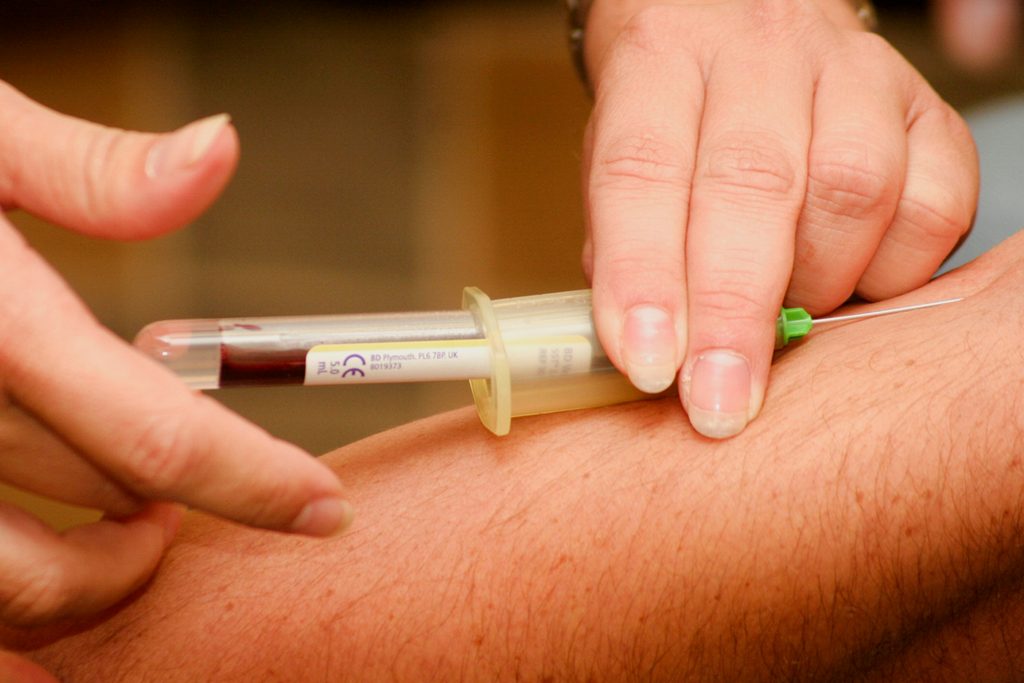
Blood tests that may be considered before hormone replacement therapy include estradiol, follicle-stimulating hormone (FSH), thyroid function, and other tests based on individual symptoms and medical history. However, routine hormone testing is not necessary for most otherwise healthy women over 45 experiencing typical menopause symptoms. A clinical evaluation is often more useful than relying on hormone levels alone.
At Morph Wellness MD, we believe successful hormone therapy begins with understanding each patient’s individual health needs. Our physician-guided hormone therapy services offer personalized consultations, laboratory testing options, and individualized treatment plans designed to help eligible women manage hormonal changes and improve their overall well-being.
Why Is an Evaluation Important Before Starting Hormone Replacement Therapy?
Hormone replacement therapy works by supplementing certain hormones to address symptoms associated with menopause and other medically recognized hormonal conditions.
During menopause, estrogen levels decline, and progesterone production also changes as ovulation becomes less frequent and eventually stops.
These changes can contribute to symptoms such as:
- Hot flashes and night sweats
- Difficulty sleeping
- Vaginal dryness
- Discomfort during intimacy
- Changes in mood
- Menstrual irregularities during perimenopause
- Reduced quality of life
Hormone therapy can be particularly effective for treating moderate to severe hot flashes and night sweats. Certain treatments can also help manage vaginal and genitourinary symptoms.
However, not every symptom during midlife is caused by menopause.
Thyroid disorders, anemia, sleep disturbances, and other medical conditions can sometimes produce similar symptoms.
A comprehensive evaluation helps determine whether hormone therapy is appropriate and whether additional health concerns should be investigated.
At Morph Wellness MD, our individualized approach considers symptoms, personal medical history, and relevant testing before making treatment recommendations.
Do You Need Blood Tests Before Starting Hormone Replacement Therapy?
Not every woman needs blood testing before beginning hormone replacement therapy.
For otherwise healthy women over 45 who experience typical menopausal symptoms, menopause is usually identified through age, menstrual history, and symptoms rather than laboratory testing.
This is because estrogen, FSH, and other hormone levels can fluctuate considerably during perimenopause.
A single blood test may not accurately reflect the hormonal changes occurring throughout this transition.
However, laboratory testing can still be valuable when symptoms suggest another medical condition, menopause occurs unusually early, or a specific treatment requires additional evaluation.
The key is selecting tests that provide useful medical information rather than automatically ordering every available hormone measurement.
7 Blood Tests That May Be Considered Before Hormone Replacement Therapy
1. Estradiol (Estrogen) Testing
Estradiol is one of the primary forms of estrogen produced by the ovaries during the reproductive years.
Estrogen contributes to reproductive health, bone maintenance, and several processes involved in temperature regulation and tissue health.
Estradiol levels generally decline after menopause, but they can fluctuate substantially during perimenopause.
When Is Estradiol Testing Helpful?
Estradiol testing may be useful in selected circumstances, including suspected early menopause, premature ovarian insufficiency, or particular endocrine evaluations.
However, routine estradiol testing is generally unnecessary to diagnose menopause in otherwise healthy women over 45.
A normal estradiol measurement does not necessarily rule out perimenopause, and a low result does not automatically mean hormone therapy is required.
At Morph Wellness MD, our medical team can determine whether estrogen testing would provide useful information based on your symptoms and health history.
2. Follicle-Stimulating Hormone (FSH) Testing
Follicle-stimulating hormone is produced by the pituitary gland and helps regulate ovarian function.
As ovarian function declines during menopause, FSH levels generally increase.
This is why FSH testing is sometimes associated with evaluating menopausal status.
Do High FSH Levels Mean You Need Hormone Therapy?
Not necessarily.
Elevated FSH may be consistent with menopause, but it does not determine whether hormone replacement therapy is appropriate.
For women over 45 experiencing typical menopausal symptoms, routine FSH testing is generally not recommended.
However, FSH testing may help evaluate suspected early menopause between ages 40 and 45 or premature ovarian insufficiency before age 40.
When premature ovarian insufficiency is suspected, additional testing may be needed to establish the diagnosis.
At Morph Wellness MD, we emphasize interpreting laboratory results within the context of the patient’s complete medical history.
3. Thyroid Function Testing
Thyroid hormones influence metabolism, temperature regulation, and overall energy levels.
An underactive or overactive thyroid can produce symptoms that overlap with menopause.
For example, thyroid dysfunction may contribute to:
- Persistent fatigue
- Changes in weight
- Difficulty concentrating
- Hair thinning
- Temperature sensitivity
- Changes in menstrual patterns
- Sleep disturbances
A thyroid-stimulating hormone (TSH) test is commonly used to evaluate thyroid function.
Additional testing, such as free T4, may be appropriate depending on the initial findings.
Thyroid testing is especially useful when symptoms are atypical or suggest a thyroid-related condition.
At Morph Wellness MD, our Virtual Primary Care and laboratory testing services can help eligible patients investigate possible thyroid concerns when clinically appropriate.
4. Testosterone Testing
Although testosterone is often associated with men’s health, women also naturally produce testosterone.
This hormone contributes to several physiological functions, including aspects of sexual function.
Some women experience changes in sexual desire during menopause, although these changes can have multiple causes.
Testosterone testing is not routinely required before conventional menopausal estrogen or progesterone therapy.
However, it may be considered when evaluating certain androgen-related conditions or before appropriately selected testosterone treatment for hypoactive sexual desire disorder.
Can Low Testosterone Cause Symptoms in Women?
Testosterone levels change with age, but a single low testosterone result does not establish the cause of fatigue, low libido, or other nonspecific symptoms.
There is no universally accepted blood testosterone threshold that diagnoses sexual dysfunction in women.
When testosterone therapy is considered for a specific clinical indication, baseline measurement and appropriate monitoring may help guide safe treatment.
At Morph Wellness MD, our hormone therapy consultations can help patients discuss hormone-related concerns and determine whether additional evaluation is warranted.
5. Complete Blood Count (CBC)
A complete blood count measures several components of the blood, including red blood cells, white blood cells, and platelets.
This test can help identify anemia and other abnormalities that may contribute to symptoms such as fatigue, weakness, or reduced physical endurance.
A CBC may be particularly useful when a woman experiences persistent fatigue, heavy menstrual bleeding, or other symptoms suggesting anemia.
However, a CBC is not required for every patient before menopausal hormone therapy.
At Morph Wellness MD, our medical team can consider blood count testing when symptoms or medical history suggest it may help clarify an underlying health concern.
6. Blood Glucose and Hemoglobin A1C Testing
Blood sugar regulation is an important aspect of metabolic health.
During midlife, some women experience changes in body composition, weight, or metabolic risk factors.
A fasting blood glucose test or hemoglobin A1C may be appropriate when evaluating diabetes risk or existing metabolic concerns.
An A1C test provides information about average blood sugar levels over approximately three months.
These measurements can contribute to a broader assessment of cardiovascular and metabolic health.
However, diabetes testing is not universally required simply because someone is considering hormone replacement therapy.
At Morph Wellness MD, our approach emphasizes considering overall health alongside the patient’s specific hormonal symptoms and treatment goals.
7. Cholesterol and Lipid Testing
Cholesterol and triglyceride measurements provide information about cardiovascular risk.
A lipid panel commonly includes:
- Total Cholesterol
- LDL Cholesterol
- HDL Cholesterol
- Triglycerides
Cardiovascular health is an important consideration when evaluating systemic hormone therapy.
Depending on age, medical history, and existing risk factors, lipid testing may be appropriate as part of a broader health assessment.
Hormone replacement therapy should not be prescribed solely to prevent cardiovascular disease.
At Morph Wellness MD, our medical team considers relevant health factors when helping eligible women evaluate hormone therapy options.
What About Progesterone Blood Tests?
Progesterone is another hormone involved in reproductive function and the menstrual cycle.
Levels fluctuate considerably depending on whether ovulation has occurred and the timing of the menstrual cycle.
During perimenopause, irregular ovulation can contribute to changing progesterone levels.
Although progesterone testing may be useful for certain reproductive or menstrual concerns, it is generally not necessary to diagnose menopause or determine routine menopausal hormone therapy eligibility.
For women with a uterus who receive systemic estrogen therapy, a progestogen is generally needed to protect the uterine lining.
This decision is primarily based on treatment type and uterine status rather than a single progesterone blood measurement.
Is a Full Hormone Panel Better Than Individual Blood Tests?
Comprehensive hormone panels can provide information about multiple laboratory markers.
At Morph Wellness MD, we offer women’s laboratory testing options that may include measurements such as estradiol, progesterone, testosterone, sex hormone-binding globulin, blood counts, and metabolic markers.
These tests can be useful in selected clinical circumstances.
However, a larger number of test results does not automatically produce a more accurate diagnosis or a better hormone therapy plan.
For typical menopause symptoms, clinical history often provides more meaningful information than repeated reproductive hormone measurements.
Our goal is to help patients understand which tests may be useful for their individual circumstances rather than assuming every patient needs the same testing package.
What Else Should Be Evaluated Before Starting HRT?
Blood work is only one possible component of a hormone therapy evaluation.
A medical consultation should also consider factors that influence treatment safety and suitability.
Personal and Family Medical History
A medical review may include previous blood clots, cardiovascular disease, certain cancers, liver disease, unexplained vaginal bleeding, and other relevant conditions.
These factors can affect whether systemic hormone therapy is appropriate.
Blood Pressure and Cardiovascular Risk
Blood pressure and cardiovascular risk factors should be considered when evaluating menopausal hormone therapy.
Depending on the patient’s medical history, certain treatment formulations may be more appropriate than others.
Breast Health and Recommended Screening
Age-appropriate breast cancer screening and evaluation of concerning breast symptoms remain important.
A woman does not necessarily need a new mammogram solely because she is starting hormone therapy if she is already up to date with recommended screening.
Menopause Symptoms and Treatment Goals
A detailed discussion of symptoms helps determine which treatment may provide the most benefit.
For example, systemic hormone therapy may be appropriate for bothersome hot flashes and night sweats, while localized vaginal estrogen may be considered for certain genitourinary symptoms.
At Morph Wellness MD, we use individualized consultations to help eligible patients understand their options.
Can You Start Hormone Replacement Therapy Through Telehealth?
Yes. For appropriately selected patients, a hormone therapy evaluation can begin through a virtual medical consultation.
Telehealth allows women to discuss menopausal symptoms, medical history, medications, and treatment goals without an initial in-person office visit.
If laboratory testing is appropriate, blood work can be arranged through an available laboratory location.
Some patients may need in-person examinations, imaging, or additional specialist evaluation before starting treatment.
At Morph Wellness MD, we offer convenient physician-guided hormone therapy consultations and personalized treatment options for eligible women.
Our virtual care approach makes it easier to begin discussing menopause-related concerns while receiving individualized medical guidance.
How Morph Wellness MD Helps Women Explore Hormone Replacement Therapy
At Morph Wellness MD, we understand that every woman’s menopause experience is different.
Some women experience frequent hot flashes and night sweats, while others struggle with sleep disturbances, vaginal discomfort, or changes in overall quality of life.
Our hormone therapy programs focus on individualized evaluation and appropriate treatment options.
Our services include:
- Personalized Hormone Consultations: Discuss menopause symptoms, medical history, and health goals.
- Laboratory Testing Options: Explore appropriate blood testing when clinically indicated.
- Bioidentical Hormone Therapy: Review available treatment options for eligible women experiencing menopausal symptoms.
- Individualized Treatment Plans: Receive recommendations based on symptoms, medical history, and clinical eligibility.
- Ongoing Medical Check-Ins: Discuss treatment response, concerns, and potential adjustments.
- Convenient Virtual Care: Access hormone-related consultations and follow-up support through telehealth.
Bioidentical hormone treatments include FDA-approved options, while compounded formulations have different regulatory considerations and are not FDA-approved.
Our medical team can help patients understand appropriate treatment choices and establish realistic expectations.
Frequently Asked Questions
What Blood Tests Are Required Before Starting Hormone Replacement Therapy?
There is no universal set of blood tests required for every woman beginning menopausal hormone therapy. Depending on symptoms and medical history, a clinician may consider thyroid function, blood counts, glucose measurements, or selected hormone tests. Many otherwise healthy women over 45 with typical menopause symptoms do not need reproductive hormone testing before treatment.
Do You Need to Check Estrogen Levels Before Starting HRT?
Not usually. Estrogen levels fluctuate during perimenopause, so a single estradiol measurement may not provide useful information. For many women, symptoms and medical history are sufficient to guide hormone therapy decisions. Testing may be useful in selected circumstances, including suspected early menopause.
Can You Start Hormone Replacement Therapy Without Blood Work?
Yes. Some women can begin appropriate menopausal hormone therapy without routine blood testing after a thorough clinical evaluation. However, additional testing may be recommended when symptoms suggest another medical condition or when a particular treatment requires monitoring.
Should You Test Testosterone Before Starting Hormone Therapy?
Testosterone testing is not routinely required before standard menopausal estrogen or progesterone therapy. It may be appropriate when investigating certain androgen-related concerns or before considering testosterone therapy for a specific clinical indication.
Can Morph Wellness MD Help With Hormone Testing and HRT?
Yes. Morph Wellness MD offers physician-guided hormone therapy consultations and laboratory testing options. Our medical team can review your symptoms, medical history, and relevant test results to determine whether additional testing or hormone therapy may be appropriate.
Conclusion: Personalized Evaluation Is the Foundation of Effective Hormone Therapy
Hormone replacement therapy can provide meaningful relief for many women experiencing bothersome menopause symptoms.
However, determining the right treatment does not always require extensive blood testing.
For most otherwise healthy women over 45 experiencing typical menopausal symptoms, age, menstrual history, and clinical symptoms provide the most useful information.
Laboratory testing becomes more valuable when investigating early menopause, thyroid dysfunction, anemia, metabolic concerns, or other specific health conditions.
At Morph Wellness MD, we believe hormone health should be approached with personalized medical guidance rather than a one-size-fits-all testing or treatment plan.
Our physician-guided hormone therapy programs provide eligible women with individualized evaluations, laboratory testing options, and ongoing support to help address menopause-related concerns.
If you’re experiencing menopausal symptoms or considering hormone replacement therapy, schedule a consultation with Morph Wellness MD. Our medical team can help determine whether testing is appropriate and explore personalized hormone therapy options based on your health needs and goals.