

Introduction to Low Testosterone
Low testosterone, often referred to as low T, is a condition defined by below‑optimal levels of testosterone in the body. Testosterone is the primary male sex hormone and plays a foundational role in male development, muscle mass, sex drive, energy levels, mood regulation, and cognitive clarity. As one of the key sex hormones, testosterone also contributes to bone density, metabolic health, and overall vitality.
Although testosterone production occurs naturally throughout adulthood, levels commonly decline with age or due to underlying health conditions, chronic stress, or hormonal dysfunction. When testosterone levels fall outside of a healthy range, men may develop androgen deficiency, clinically known as male hypogonadism. This hormonal imbalance can affect both physical and emotional health, contributing to fatigue, reduced libido, and depressive symptoms.
At Morph Wellness MD, we help men identify and treat low testosterone through physician‑guided telehealth care. By combining advanced hormone testing, personalized treatment plans, and ongoing clinical support, our goal is to address the root cause of symptoms and restore long‑term well‑being rather than simply masking discomfort.

Symptoms of Low Testosterone
Men experiencing low testosterone may notice a broad range of symptoms that develop gradually over time. Physical symptoms often include reduced muscle mass, increased body fat, erectile dysfunction, decreased bone density, and changes in body composition. Some men also experience headaches, breast tissue changes, or reduced physical stamina.
Emotional and psychological symptoms are equally common and may include low mood, irritability, anxiety, and symptoms consistent with depression. These depressive symptoms often overlap with other life stressors, making it difficult to immediately associate them with hormonal imbalance. Sexual dysfunction, such as reduced libido and difficulty maintaining erections, frequently accompanies these changes and can negatively affect confidence and relationships.
Sleep disturbances are also common and may be linked to underlying sleep disorders, further worsening energy levels and mood. Reduced motivation, brain fog, and hair thinning may also occur. At Morph Wellness MD, we evaluate the full symptom picture rather than isolated complaints, allowing us to determine whether testosterone imbalance may be contributing to persistent issues.
Diagnosis and Testing for Low Testosterone
Accurate diagnosis is essential for effective treatment. Because low testosterone symptoms overlap with depression, aging, and metabolic conditions, comprehensive evaluation is required. The diagnostic process begins with a detailed health history, symptom review, and assessment of lifestyle factors that may affect hormone levels.
Morph Wellness MD coordinates convenient lab testing to measure key hormone markers, including total testosterone, free testosterone, and bioavailable testosterone. Blood tests are typically performed in the morning when testosterone levels are at their peak to ensure accuracy.
Additional labs may include luteinizing hormone (LH), follicle‑stimulating hormone (FSH), thyroid markers, and metabolic indicators to identify whether the cause is testicular, pituitary, or systemic. This data‑driven approach allows our physicians to develop a personalized treatment plan aligned with both hormone levels and clinical symptoms.
The Link Between Testosterone and Depressive Symptoms
Research continues to demonstrate a strong association between low testosterone levels and depressive symptoms in men. Testosterone influences neurotransmitters such as serotonin and dopamine, which are directly involved in mood regulation, motivation, and emotional resilience.
Clinical studies have shown that men with lower testosterone levels are more likely to report symptoms of depression, fatigue, and reduced quality of life. In hypogonadal men, testosterone therapy has been shown in some studies to improve mood and emotional stability, particularly when low testosterone is a contributing factor rather than the sole cause of depression.
At Morph Wellness MD, we recognize that mental health and hormone health are closely connected. Our treatment plans are designed to support both physical and emotional wellness, often integrating hormone optimization with lifestyle guidance and ongoing physician monitoring.
Major Depression and Hormonal Imbalance
Major depressive disorder (MDD) is a complex condition influenced by neurochemical, hormonal, and environmental factors. Emerging evidence suggests that androgen deficiency may play a role in certain cases of treatment‑resistant depression, particularly in aging men.
Men with MDD are often found to have lower testosterone levels compared to non‑depressed individuals. While testosterone therapy is not a replacement for mental health care, addressing an underlying hormone deficiency may provide meaningful symptom relief for select patients when managed appropriately.
Morph Wellness MD approaches hormone therapy responsibly, ensuring that testosterone replacement therapy (TRT) is prescribed only when clinically indicated and carefully monitored to support both mental and physical health outcomes.
Male Sexual Health and Testosterone
Testosterone is central to male sexual health, influencing libido, sexual interest, arousal, and erectile function. When testosterone levels decline, men often experience reduced desire, diminished sexual satisfaction, and performance challenges that can affect emotional well‑being and relationship dynamics.
Sexual health is a critical component of overall quality of life. By restoring testosterone to a healthy range, many men experience renewed confidence, improved intimacy, and enhanced emotional connection with partners. Morph Wellness MD offers discreet, judgment‑free telehealth care to help men address sexual health concerns in a clinically appropriate and personalized manner.
Treatment Options at Morph Wellness MD
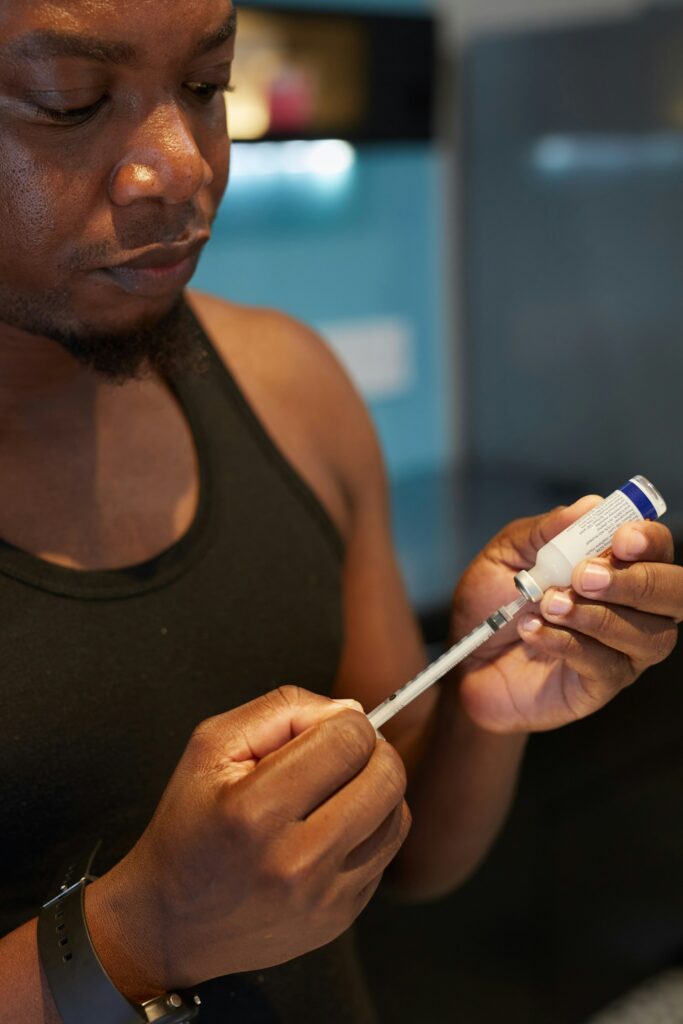
For men diagnosed with low testosterone, testosterone replacement therapy (TRT) is a commonly recommended option. Morph Wellness MD provides physician‑guided TRT using customized treatment plans that may include:
Testosterone injections
Topical testosterone therapies
Sublingual or alternative delivery methods
The appropriate method is determined based on lab values, lifestyle preferences, symptom severity, and long‑term health considerations. All treatment plans include ongoing monitoring to ensure safety, effectiveness, and optimal hormone balance.
Lifestyle Optimization and Hormone Health
Hormone therapy is most effective when combined with healthy lifestyle habits. Regular resistance training supports natural testosterone production and improves body composition. A balanced diet rich in protein, healthy fats, and essential micronutrients further supports endocrine function.
Stress management is also critical. Chronic stress elevates cortisol, which can suppress testosterone production. At Morph Wellness MD, we educate patients on sustainable lifestyle strategies that complement hormone therapy and improve long‑term results.
Sleep, Recovery, and Testosterone Production
Testosterone production occurs primarily during deep sleep. Even short‑term sleep deprivation can significantly reduce testosterone levels. Addressing sleep quality and underlying sleep disorders often leads to noticeable improvements in mood, energy, and hormone balance.
We work with patients to optimize sleep hygiene as part of a comprehensive hormone optimization plan, recognizing that recovery is foundational to both mental and physical health.
Monitoring and Ongoing Care
Effective testosterone therapy requires regular monitoring. Morph Wellness MD provides structured follow‑up, including repeat lab testing, symptom evaluation, and dose adjustments when necessary. This ensures patients achieve symptom relief while minimizing side effects and long‑term risks.
Our telehealth model allows for unlimited check‑ins and ongoing communication, making it easier for patients to stay consistent and supported throughout treatment.
Frequently Asked Questions
Can low testosterone contribute to depression?
Yes. Low testosterone can be a contributing factor to depressive symptoms in men, particularly when combined with stress, aging, or metabolic issues.
Is testosterone therapy appropriate for everyone?
No. TRT is prescribed only after clinical evaluation and lab confirmation. Certain conditions require additional caution or alternative approaches.
How soon can results be expected?
Many men notice improvements in energy and mood within several weeks, while physical changes typically develop over a few months.
Are lifestyle changes still important if I’m on TRT?
Absolutely. Exercise, nutrition, sleep, and stress management significantly enhance treatment outcomes.
Conclusion
Low testosterone affects far more than physical strength or sexual function—it plays a meaningful role in emotional health, motivation, and overall quality of life. When testosterone levels decline, men may experience a cascade of physical and psychological symptoms that are often overlooked or misattributed.
By identifying and treating low testosterone through evidence‑based care, men can regain energy, clarity, confidence, and emotional balance.
Morph Wellness MD offers personalized, physician‑led telehealth solutions designed to help men address hormone imbalances safely, discreetly, and effectively—supporting both immediate symptom relief and long‑term wellness.