
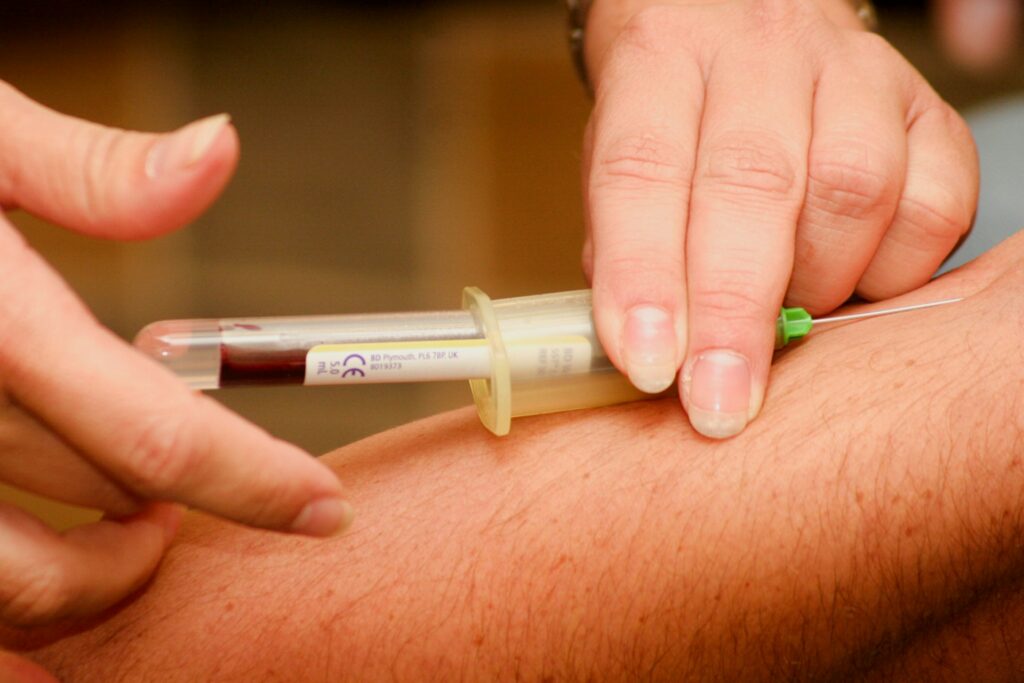
If you’ve been experiencing fatigue, reduced libido, difficulty building muscle, or other symptoms that may be related to low testosterone, a blood test is the first step toward finding answers. However, many men are surprised to learn that a comprehensive testosterone evaluation measures far more than just one hormone.
Understanding what your testosterone blood test measures can help you better interpret your results and have a more informed discussion with your healthcare provider. Rather than focusing on a single number, evaluating multiple hormone markers provides a clearer picture of your hormonal health and helps determine whether further evaluation or treatment may be appropriate.
At Morph Wellness MD, the Basic Male Testosterone Panel via Labcorp is designed to provide a thorough assessment of your hormone health. Your results are reviewed by a licensed provider who can explain what your numbers mean and discuss the most appropriate next steps based on your symptoms and medical history.
Why Testosterone Testing Is Important
Testosterone affects nearly every aspect of men’s health. While it is commonly associated with muscle growth and sexual health, it also plays an important role in:
- Energy production
- Mood and emotional well-being
- Cognitive function
- Bone health
- Body composition
- Exercise recovery
- Overall vitality
Because testosterone naturally declines with age, many men assume changes in energy or performance are simply part of getting older. However, symptoms alone cannot determine whether testosterone is truly low.
A comprehensive blood test provides objective information that helps identify hormone imbalances and guides appropriate treatment decisions.
More Than Just One Number
Many people believe a testosterone blood test only measures total testosterone.
While total testosterone is an important marker, it doesn’t always tell the complete story.
Two men can have similar total testosterone levels while experiencing very different symptoms. That’s because other hormones and proteins influence how much testosterone is actually available for the body to use.
A comprehensive hormone evaluation looks at several markers together to create a more complete understanding of your hormonal health.
Total Testosterone
Total testosterone measures the overall amount of testosterone circulating in your bloodstream.
This includes both:
- Testosterone that is available for the body’s tissues
- Testosterone that is bound to proteins and temporarily unavailable
Total testosterone is often the first number providers review, but it should never be interpreted by itself.
Factors such as age, medications, overall health, and protein levels can all influence total testosterone results.
Free Testosterone
Free testosterone refers to the small percentage of testosterone that is not attached to proteins and is immediately available for use by your body’s tissues.
Although it represents only a small portion of total testosterone, free testosterone is often closely associated with symptoms.
Men with lower free testosterone may experience:
- Low energy
- Reduced strength
- Difficulty maintaining muscle
- Lower libido
- Decreased motivation
Evaluating both total and free testosterone helps providers develop a more accurate understanding of hormone function.
Sex Hormone-Binding Globulin (SHBG)
Sex Hormone-Binding Globulin, commonly called SHBG, is a protein that binds to testosterone in the bloodstream.
When testosterone is attached to SHBG, it cannot be readily used by the body’s tissues.
SHBG levels vary from person to person and can significantly affect the amount of free testosterone available.
High SHBG levels may reduce available testosterone even when total testosterone appears normal.
Conversely, lower SHBG levels can sometimes increase free testosterone despite lower total testosterone measurements.
This is one reason comprehensive hormone testing is so valuable.
Why Looking at Multiple Markers Matters
Hormones work together rather than independently.
Evaluating only one laboratory value can sometimes provide an incomplete picture.
By reviewing multiple hormone markers together, providers can better understand:
- Overall hormone balance
- Potential causes of symptoms
- Whether additional testing may be appropriate
- Whether hormone optimization should be considered
This individualized approach helps avoid making treatment decisions based on incomplete information.
Why Symptoms Still Matter
Laboratory results are only one part of the evaluation.
Your healthcare provider also considers your symptoms, lifestyle, medical history, and overall health before making recommendations.
Common symptoms that often lead men to testosterone testing include:
- Persistent fatigue
- Low libido
- Reduced exercise performance
- Difficulty building muscle
- Increased body fat
- Mood changes
- Poor concentration
- Slower recovery after exercise
Even if laboratory values fall within a reference range, symptoms remain an important part of the overall assessment.
When Should You Have Your Testosterone Tested?
Many men wait until symptoms become severe before seeking evaluation.
However, earlier testing can help identify potential hormone imbalances before they begin significantly affecting daily life.
You may benefit from testosterone testing if you experience:
- Ongoing fatigue
- Decreased sexual desire
- Unexplained muscle loss
- Reduced motivation
- Difficulty concentrating
- Changes in body composition
- Concerns about overall hormone health
Some men also choose to establish baseline hormone levels as part of a proactive approach to their long-term health.
How the Testing Process Works
Morph Wellness MD makes hormone testing convenient through the Basic Male Testosterone Panel via Labcorp.
The process is straightforward:
- Order your laboratory testing.
- Visit a convenient Labcorp location for your blood draw.
- Your laboratory results are reviewed by a licensed provider.
- Receive personalized recommendations based on both your lab results and symptoms.
This streamlined process allows patients to better understand their hormone health without unnecessary complexity.
What Happens After You Receive Your Results?
Receiving your lab report is only the beginning.
Numbers alone don’t provide the complete picture.
At Morph Wellness MD, your results are reviewed by a licensed provider who evaluates:
- Your testosterone levels
- Other hormone markers included in your panel
- Your symptoms
- Your medical history
- Your overall health goals
Based on this evaluation, recommendations may include additional testing, continued monitoring, lifestyle modifications, or discussing testosterone optimization if appropriate.
Every patient’s situation is unique, which is why individualized medical evaluation is so important.
Why Comprehensive Hormone Testing Matters
Hormone imbalances are not always obvious.
Many symptoms associated with testosterone deficiency overlap with stress, aging, poor sleep, and other medical conditions.
Comprehensive laboratory testing helps eliminate guesswork by providing objective information about your hormone health.
Rather than making assumptions, providers can use accurate laboratory data to make informed recommendations tailored to your individual needs.
This approach supports better long-term health decisions and ensures patients receive care based on evidence rather than symptoms alone.
Why Choose Morph Wellness MD?
Morph Wellness MD provides a convenient, physician-guided approach to hormone evaluation.
Patients benefit from:
- Convenient Labcorp laboratory testing
- Comprehensive hormone evaluation
- Virtual consultations
- Provider-reviewed laboratory results
- Personalized recommendations
- Ongoing support when appropriate
Whether you’re experiencing symptoms of low testosterone or simply want to better understand your hormone health, comprehensive testing provides an important foundation for informed medical decisions.
Frequently Asked Questions
What is included in a testosterone blood test?
A comprehensive testosterone evaluation measures more than just total testosterone. Depending on the laboratory panel, additional hormone markers are evaluated to provide a more complete understanding of your hormone health.
Why isn’t total testosterone enough?
Total testosterone measures the overall amount of testosterone in your bloodstream, but it doesn’t indicate how much is actually available for your body to use. Additional markers help providers interpret your results more accurately.
Do I need symptoms before having my testosterone tested?
No. While many men seek testing because of symptoms, others choose to establish baseline hormone levels as part of a proactive health strategy.
How are my results interpreted?
At Morph Wellness MD, your laboratory results are reviewed by a licensed provider who considers your hormone levels alongside your symptoms, medical history, and overall health before making recommendations.
What happens if my testosterone levels are low?
If your results suggest low testosterone, your provider will discuss appropriate next steps based on your complete clinical picture. Recommendations may include additional evaluation, monitoring, lifestyle guidance, or discussing testosterone optimization if appropriate.
Conclusion
A testosterone blood test is about much more than measuring one hormone. Comprehensive hormone testing provides valuable insight into how your body is functioning and helps explain symptoms that may otherwise be attributed to aging or everyday stress.
By evaluating multiple hormone markers and combining those findings with your symptoms and medical history, healthcare providers can make more informed recommendations tailored to your individual needs.
Morph Wellness MD’s Basic Male Testosterone Panel via Labcorp offers a convenient way to evaluate your hormone health with provider-reviewed results and personalized guidance. Whether you’re looking for answers to ongoing symptoms or taking a proactive approach to your long-term wellness, comprehensive testosterone testing is an important first step.