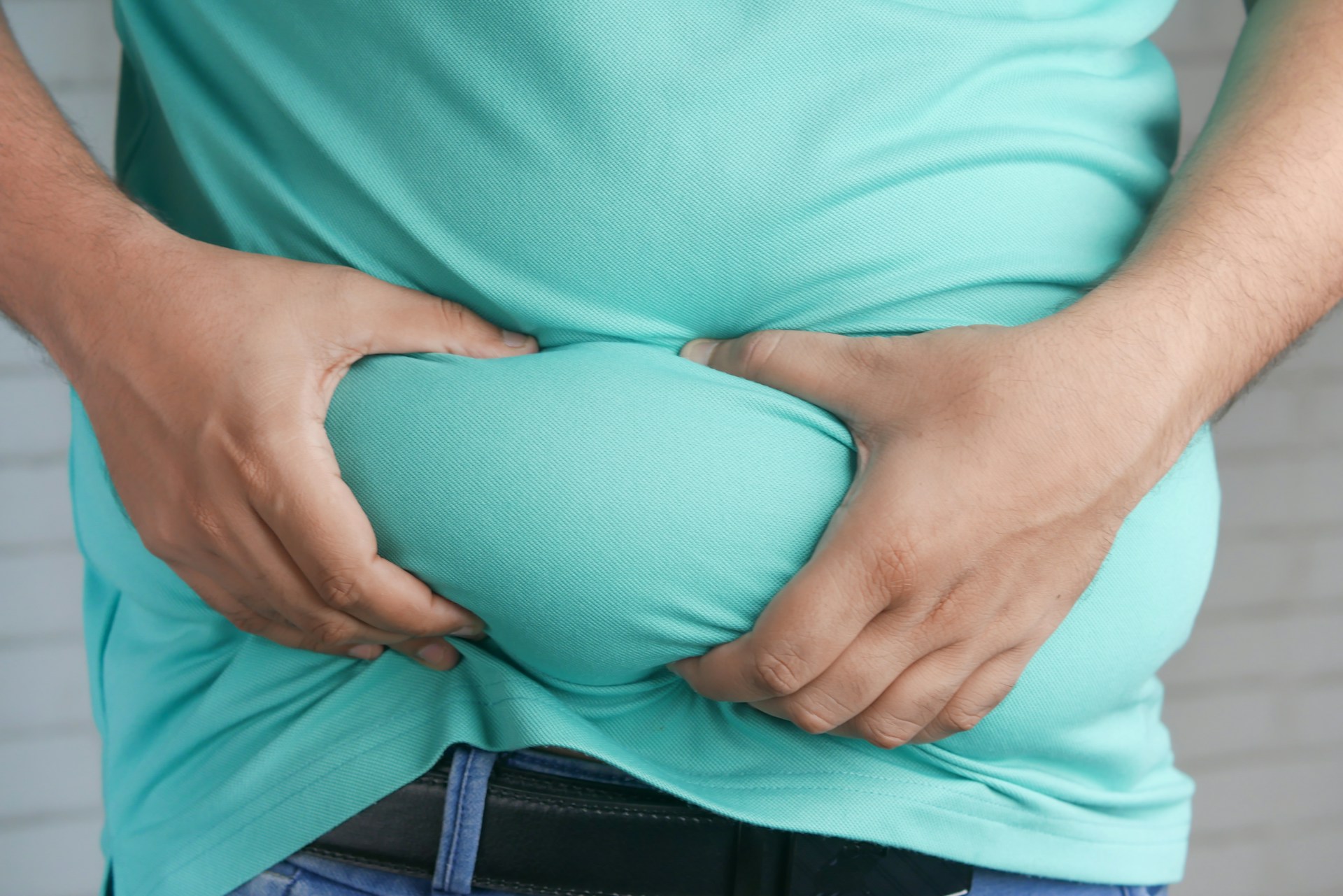
GLP-1 medications have become an increasingly popular option for individuals looking to lose weight and improve their metabolic health. Treatments such as semaglutide and tirzepatide can help regulate appetite, increase feelings of fullness, and support meaningful weight loss. However, many patients wonder what happens when they stop taking these medications and whether their weight loss results will last.
When you stop taking GLP-1 medication, your appetite may increase, feelings of fullness may decrease, and some of the weight you lost may return. Weight regain is common after discontinuing GLP-1-based weight management treatments, although individual experiences vary depending on lifestyle habits, metabolic health, and other factors.
Understanding what happens after stopping GLP-1 medication is important for developing a realistic, long-term weight management strategy.
At Morph Wellness MD, we recognize that achieving a healthier weight is only one part of the process. Maintaining those results requires an individualized approach that considers your medical history, nutritional habits, physical activity, and ongoing treatment needs.
Whether you’re considering stopping GLP-1 medication or have already discontinued treatment, knowing what to expect can help you make informed decisions about your health.
How Do GLP-1 Medications Help With Weight Loss?
GLP-1 stands for glucagon-like peptide-1, a hormone naturally produced by the body that plays an important role in appetite regulation, digestion, and blood sugar management.
GLP-1 receptor agonists mimic certain effects of this hormone, helping patients feel fuller after meals and reducing hunger signals that can contribute to overeating.
Some medications also slow stomach emptying, which can increase feelings of fullness after eating.
Certain medications, such as tirzepatide, work on both GLP-1 and GIP receptors. These medications affect additional biological pathways involved in appetite and glucose regulation.
Together, these effects can make it easier for individuals to maintain a reduced-calorie eating pattern and achieve meaningful weight loss.
However, GLP-1 medications do not permanently change every biological process involved in weight regulation.
When treatment is discontinued, the medication’s appetite-regulating effects gradually diminish, potentially making weight maintenance more challenging.
What Happens to Your Body When You Stop GLP-1 Medication?
Stopping GLP-1 medication can lead to several changes as the active medication gradually leaves your system.
The timing and severity of these changes depend on the specific medication, dosage, duration of treatment, and individual response.
Your Appetite May Increase
One of the most noticeable changes after stopping GLP-1 medication is the return of hunger.
During treatment, many patients experience reduced appetite and find it easier to feel satisfied after smaller portions.
As medication levels decrease, these effects can gradually diminish.
Patients may notice that they become hungry more frequently, experience stronger food cravings, or have difficulty maintaining the portion sizes they became accustomed to during treatment.
This increase in appetite is not necessarily a sign of poor self-control. It can reflect the return of biological hunger signals that were previously influenced by medication.
Feelings of Fullness May Decrease
GLP-1 medications can influence the rate at which food moves through the stomach and the signals that communicate fullness to the brain.
After treatment ends, these effects may become less pronounced.
Some individuals notice they can eat larger portions before feeling satisfied or that hunger returns sooner after meals.
These changes can make it more difficult to maintain the same calorie intake without additional planning.
Weight Regain May Occur
Weight regain is one of the most significant concerns after discontinuing GLP-1 medication.
As appetite increases and feelings of fullness decrease, patients may consume more calories than they did during treatment.
At the same time, the body generally requires fewer calories to maintain a lower weight than it did before weight loss.
This combination can contribute to gradual weight regain, even when someone continues practicing healthier habits.
Blood Sugar Levels May Change
GLP-1 medications also affect glucose regulation.
For individuals with diabetes or certain metabolic conditions, stopping treatment can lead to changes in blood sugar levels.
This is particularly important for patients using GLP-1 medication specifically for diabetes management.
At Morph Wellness MD, our physician-guided approach emphasizes evaluating each patient’s medical history and treatment needs before making medication changes.
Will You Regain Weight After Stopping GLP-1 Medication?
Weight regain is common after GLP-1 treatment ends, but the amount varies considerably between individuals.
Some patients maintain a meaningful portion of their weight loss, while others regain a substantial amount over time.
Several factors influence the likelihood of weight regain.
Changes in Hunger and Appetite
One of the primary benefits of GLP-1 medication is its ability to help regulate appetite.
When that effect is no longer present, individuals may experience stronger hunger signals and increased interest in food.
This can make it more difficult to maintain the eating habits that supported their original weight loss.
Metabolic Adaptations
As body weight decreases, the body typically requires less energy to maintain its new size.
This means someone who previously maintained their weight at a higher calorie intake may need fewer calories after losing weight.
The body may also undergo physiological adaptations that influence appetite and energy expenditure.
These changes can make maintaining a lower weight challenging, even when someone remains physically active.
Lifestyle Habits
Nutrition, physical activity, sleep, and stress management all influence weight maintenance.
Patients who establish consistent habits during treatment may be better prepared to manage appetite changes after discontinuation.
However, healthy habits do not completely eliminate the biological factors that contribute to weight regain.
Maintaining weight loss after GLP-1 treatment requires a realistic strategy rather than relying solely on willpower.
At Morph Wellness MD, we focus on individualized weight management because every patient’s circumstances and treatment response are different.
How Long Does It Take to Regain Weight After Stopping GLP-1 Medication?
There is no universal timeline for weight regain after discontinuing GLP-1 medication.
Some patients notice changes in hunger within several weeks, while changes in body weight may develop gradually over several months.
The timeline depends partly on how long the medication remains active in the body.
The First Few Weeks After Stopping
During the first several weeks, medication concentrations gradually decline.
Semaglutide, for example, has a relatively long elimination half-life and may remain in circulation for several weeks after the final dose.
As its effects diminish, appetite may gradually increase.
Some individuals notice they become hungry sooner after meals or begin experiencing cravings that were less noticeable during treatment.
One to Three Months After Stopping
Over the following months, patients may find it more difficult to maintain their previous eating patterns.
Changes in appetite and calorie intake can contribute to gradual increases in body weight.
However, weight regain does not happen at the same rate for everyone.
Some people experience relatively stable weight during this period, particularly when they have consistent nutrition and activity routines.
Six Months and Beyond
Longer-term weight maintenance can become more challenging as the medication’s effects are no longer present.
Some individuals continue regaining weight over time, while others successfully maintain a portion of their previous weight loss.
Regular monitoring can help identify changes early and determine whether adjustments to a weight management plan may be appropriate.
At Morph Wellness MD, our medical team can help patients evaluate their progress and explore individualized treatment options based on their current health and goals.
Can You Maintain Weight Loss After Stopping GLP-1 Medication?
Yes, maintaining weight loss after stopping GLP-1 medication is possible, although it can be challenging.
Long-term success often depends on developing sustainable habits and addressing the factors that contributed to weight gain before treatment.
Several strategies may help support weight maintenance.
1. Focus on Protein and Balanced Nutrition
Adequate protein intake is important for preserving muscle mass, supporting physical function, and promoting satiety.
After stopping GLP-1 medication, protein-rich meals may help support feelings of fullness as appetite changes.
A balanced eating plan should include:
- Lean protein sources
- Vegetables and fruits
- Fiber-rich carbohydrates
- Healthy fats
- Adequate hydration
- Consistent eating patterns
Extremely restrictive diets are generally difficult to maintain and may lead to nutritional deficiencies.
At Morph Wellness MD, our individualized weight management approach recognizes the importance of combining appropriate medical treatment with sustainable nutrition habits.
2. Incorporate Regular Strength Training
Maintaining muscle mass is important during and after weight loss.
Resistance training helps preserve strength, physical function, and lean body mass.
Examples include:
- Weightlifting
- Resistance band exercises
- Bodyweight movements
- Supervised strength training
- Progressive resistance exercises
Strength training can also support long-term weight management when combined with appropriate nutrition and regular cardiovascular activity.
The best routine depends on your physical abilities, health history, and fitness experience.
3. Maintain Consistent Physical Activity
Regular physical activity supports cardiovascular health, metabolic function, and weight maintenance.
Walking, cycling, swimming, and other aerobic activities can help individuals maintain an active lifestyle.
Daily movement outside structured exercise also contributes to overall energy expenditure.
For many people, developing a consistent routine is more sustainable than attempting an overly demanding exercise program.
4. Monitor Your Weight and Other Health Indicators
Regular weight monitoring can help identify changes before significant weight regain occurs.
However, daily fluctuations are normal and may result from hydration, sodium intake, digestion, and other factors.
Tracking trends over several weeks is generally more useful than focusing on individual weigh-ins.
Other indicators of progress include:
- Waist circumference
- Physical strength
- Cardiovascular endurance
- Blood pressure
- Blood sugar levels when relevant
- Overall energy and physical function
At Morph Wellness MD, we encourage patients to think about weight management as part of their overall health rather than focusing exclusively on the scale.
5. Continue Medical Follow-Up
Even after reaching a desired weight, ongoing medical guidance can be beneficial.
Some patients may require continued treatment to maintain their results, while others may be able to manage their weight through lifestyle adjustments and appropriate follow-up care.
At Morph Wellness MD, our physician-guided weight management programs offer individualized treatment planning and ongoing check-ins to help eligible patients evaluate their options.
Do You Have to Take GLP-1 Medication Forever?
Not everyone needs to take GLP-1 medication indefinitely, but some individuals may benefit from long-term treatment.
Obesity is a chronic condition influenced by biological, behavioral, environmental, and genetic factors.
For certain patients, ongoing medication may help manage appetite and support sustained weight reduction.
Other individuals may discontinue treatment because of side effects, personal preferences, cost, changes in medical needs, or other circumstances.
The decision should be individualized.
Is Long-Term GLP-1 Treatment Appropriate?
Long-term treatment may be appropriate when the medication continues to provide benefits, is well tolerated, and remains medically indicated.
However, GLP-1 medications can cause side effects and are not suitable for everyone.
Potential risks depend on the specific medication and may include gastrointestinal problems, gallbladder disease, pancreatitis, and other complications.
A qualified medical professional should evaluate the benefits and risks of continued treatment.
At Morph Wellness MD, our medical team considers each patient’s medical history, response, and goals when developing individualized treatment recommendations.
Should You Gradually Reduce GLP-1 Medication Before Stopping?
Some patients wonder whether tapering their medication will help prevent weight regain.
Currently, there is not enough strong clinical evidence to conclude that gradually reducing GLP-1 medication reliably prevents weight regain.
GLP-1 medications generally do not require tapering to prevent a traditional withdrawal syndrome, but discontinuation decisions should still involve medical guidance.
Certain patients may require specific instructions depending on the medication, treatment duration, and underlying medical conditions.
Patients using GLP-1 medications for diabetes management require particular attention because stopping treatment may affect blood sugar control.
Never independently change, reduce, restart, or discontinue a prescribed GLP-1 medication without discussing the decision with your prescribing clinician.
At Morph Wellness MD, our medical team can help patients understand their treatment options and determine whether medication adjustments are appropriate.
Can You Restart GLP-1 Medication After Stopping?
Some patients consider restarting GLP-1 treatment after experiencing increased appetite or weight regain.
Restarting treatment may be appropriate for certain individuals, but it should involve an updated medical evaluation.
The dosage previously used may not be appropriate after a prolonged treatment interruption.
Depending on the medication and the length of time since the last dose, a clinician may recommend restarting at a lower dose or following specific medication instructions.
Factors that may influence the decision include:
- How long treatment has been discontinued
- Previous medication dosage
- Treatment-related side effects
- Changes in body weight
- Existing medical conditions
- Other prescription medications
- Current weight management goals
At Morph Wellness MD, we offer personalized weight management consultations to help eligible patients explore available treatment options based on their individual needs.
How Morph Wellness MD Supports Long-Term Weight Management
Successful weight management involves more than achieving an initial reduction in body weight.
Maintaining progress requires ongoing attention to nutrition, activity, medical conditions, and changes in appetite or metabolic health.
At Morph Wellness MD, we provide physician-guided weight management services designed around each patient’s individual circumstances.
Our approach includes:
- Free Initial Consultations: Discuss your weight management concerns, medical history, and treatment goals.
- Personalized Treatment Plans: Explore individualized recommendations based on your health and eligibility.
- GLP-1 and GLP-1/GIP Treatment Options: Consider available medication-based approaches when medically appropriate.
- Individualized Dosing: Receive treatment recommendations based on your response, tolerability, and medical needs.
- Ongoing Check-Ins: Communicate with our medical team about your progress, questions, and treatment concerns.
- Convenient Prescription Delivery: Eligible patients can receive prescribed treatments through available home delivery options.
Whether you’re currently taking GLP-1 medication, preparing to discontinue treatment, or experiencing weight regain after stopping, our team can help you better understand your options.
Our goal is to support informed medical decisions and realistic, sustainable improvements in long-term health.
Frequently Asked Questions
Will I Gain All My Weight Back After Stopping Semaglutide?
Not necessarily. However, significant weight regain is common after stopping semaglutide and other GLP-1-based weight management medications. The amount regained depends on individual biological factors, nutrition, activity, and other circumstances. Some patients maintain meaningful weight loss, while others experience substantial regain over time.
How Quickly Does Your Appetite Return After Stopping GLP-1 Medication?
Appetite may gradually increase over several weeks as medication levels decline. The timing varies depending on the medication, dosage, and individual response. Some patients notice increased hunger relatively quickly, while others experience more gradual changes.
Can You Keep Weight Off Naturally After GLP-1 Treatment?
Some individuals can maintain meaningful weight loss without continued medication. Balanced nutrition, regular physical activity, strength training, sleep, and ongoing weight monitoring may help. However, these habits do not guarantee that weight regain will be prevented, and some patients benefit from continued medical treatment.
Do You Have to Stay on GLP-1 Medication for Life?
Not necessarily. The appropriate duration of GLP-1 treatment depends on individual medical needs, treatment effectiveness, tolerability, and long-term goals. Some individuals may benefit from ongoing therapy, while others may discontinue treatment under medical supervision.
Can Morph Wellness MD Help With Weight Regain After Stopping GLP-1 Medication?
Yes. Morph Wellness MD offers physician-guided weight management consultations and individualized treatment options for eligible patients. Our medical team can review your health history, previous treatment, and current goals to discuss appropriate next steps, which may include medication-based weight management when clinically indicated.
Conclusion: Maintaining Weight Loss After GLP-1 Medication Requires a Long-Term Strategy
Stopping GLP-1 medication can lead to increased appetite, reduced feelings of fullness, and gradual weight regain. While these changes are common, they do not affect every patient in the same way.
Understanding how your body responds after treatment is an important part of developing a sustainable weight management plan.
Healthy nutrition, resistance training, regular physical activity, and ongoing medical guidance can all contribute to maintaining progress. For some patients, continued GLP-1 treatment may also be appropriate.
At Morph Wellness MD, we believe that successful weight management should focus on long-term health rather than short-term results alone.
Our physician-guided weight management programs provide eligible patients with individualized treatment options, ongoing support, and medical guidance throughout their weight management journey.
If you’re considering stopping GLP-1 medication, have already discontinued treatment, or are struggling with weight regain, Morph Wellness MD can help you explore your options. Schedule a free consultation with our medical team to discuss an individualized weight management plan designed around your needs and goals.